Take care
Pits contain cyanogenic glycosides — do not eat the seed. Leaves, stems and pits are toxic to dogs, cats and horses, especially wilted leaves.
Nectarine
Prunus persica var. nucipersica
Start nectarine indoors 4 weeks before your last spring frost, then plant out 8 weeks after your last spring frost. Space plants 180 in (457 cm) apart.
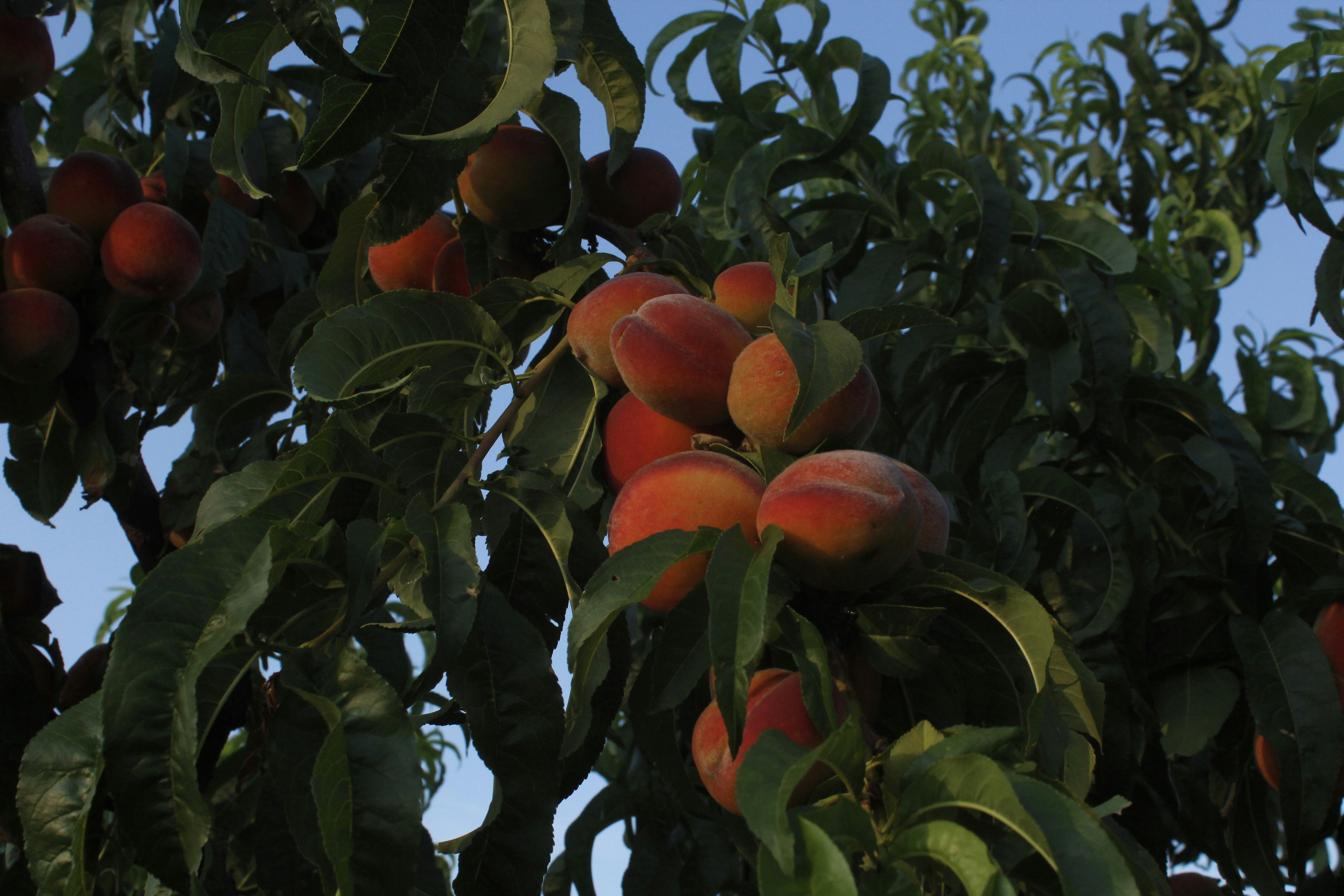
Photo: Botond Czapp on Unsplash, Unsplash License · source
When to plant
Timed from your frost dates, so it holds wherever you garden. Give yours and every step below becomes a date.
Stratified Seed Indoor Start
From seedRecommended from seed- Start indoors4 weeks before your last spring frost
- Begin hardening offabout 7 weeks after your last spring frost
- Plant out8 weeks after your last spring frost
- First harvestsummer; the first crop about 3 years after planting
Stratified Seed Direct Sow
From seed- Sow outdoors1 week before your last spring frost
- First harvestsummer; the first crop about 3 years after planting
Bare-Root Tree Transplant
TreeRecommended tree- Plant out4 weeks before your last spring frost
- First harvestsummer; the first crop about 3 years after planting
Container Tree Transplant
Tree- Plant out4 weeks before your last spring frost
- First harvestsummer; the first crop about 3 years after planting
Growing nectarine
- Spacing in the row
- 180 in (457 cm)
- Between rows
- 240 in (610 cm)
- Planting depth
- 1-2 inches (for seed); plant bare-root/container trees at original nursery depth.
- Sun
- Full Sun
- Soil
- Well-drained loam
- Germination
- 30-90 days (after stratification) at 35-45°F
- Harvest season
- Summer
- Years to first crop
- 3
- Mature height
- 12-15 feet (8-10 feet on dwarf rootstock)
- Support
- Stake young trees
- Hardy to
- USDA zone 5
- Life cycle
- Perennial
Stratify seeds for 3-4 months at cold temperatures before planting. Plant bare-root trees in early spring.
Watering. Consistent, deep watering, especially during fruit development and dry periods. Avoid waterlogging.
Neighbours
The companion chart →Grows well beside
 Garlic
 Chives
 Borage
 Strawberry
 Nasturtium
 Tomato
 Potato
Feeding
- Seedlings
- Not typically applicable; for seedlings, very dilute balanced fertilizer after true leaves emerge.
- Growing
- Apply a balanced fertilizer (e.g., 10-10-10) in early spring, before new growth begins.
- Flowering and fruiting
- No specific bloom feeding; overall tree health supports bloom and fruit set.
- How often
- Once a year, in early spring.
- Note
- Conduct soil tests every 3-5 years to determine specific nutrient deficiencies. Avoid excessive nitrogen.
Your nectarine, planned to the day.
Canopy turns these timings into dates from your own frost data, places every plant at its spacing on your garden map, and tracks it all the way to harvest.